A DESTINATION BRANDING PROJECT THAT
AIMS TO FIGHT OVERTOURISM
I VOLTI DELLA
VERA VENEZIA
BACHELOR THESIS
VENICE, 2021
ABOUT THE PROJECT
" transform="translate(1 1) rotate(-90 4.5 4.5)" width="9px"/></svg>)
RESEARCH AND CONCEPT
RESEARCH AND CONCEPT
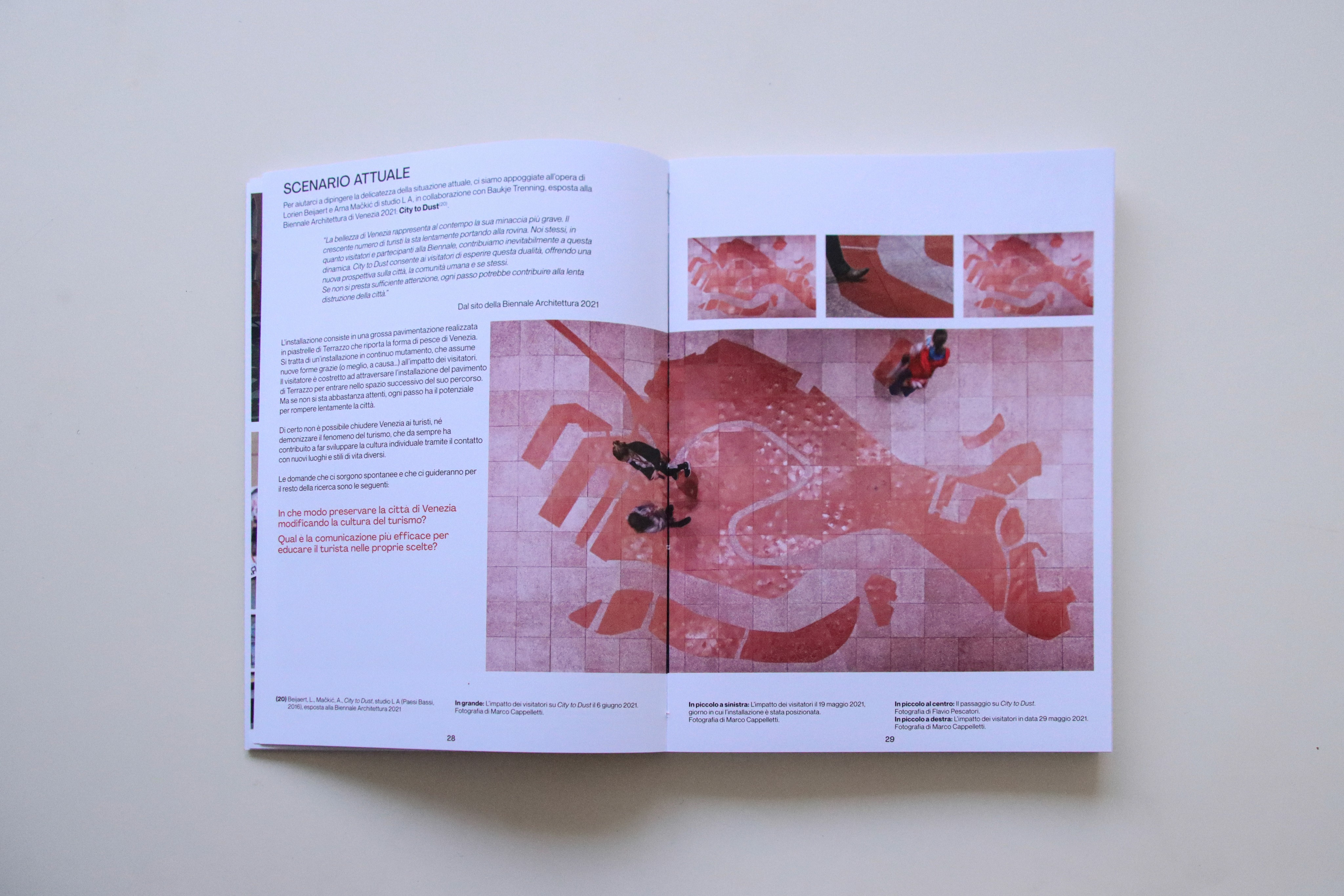
This project investigates the impact of overtourism on Venice and explores how destination branding can become a cultural and educational tool rather than a purely promotional one.
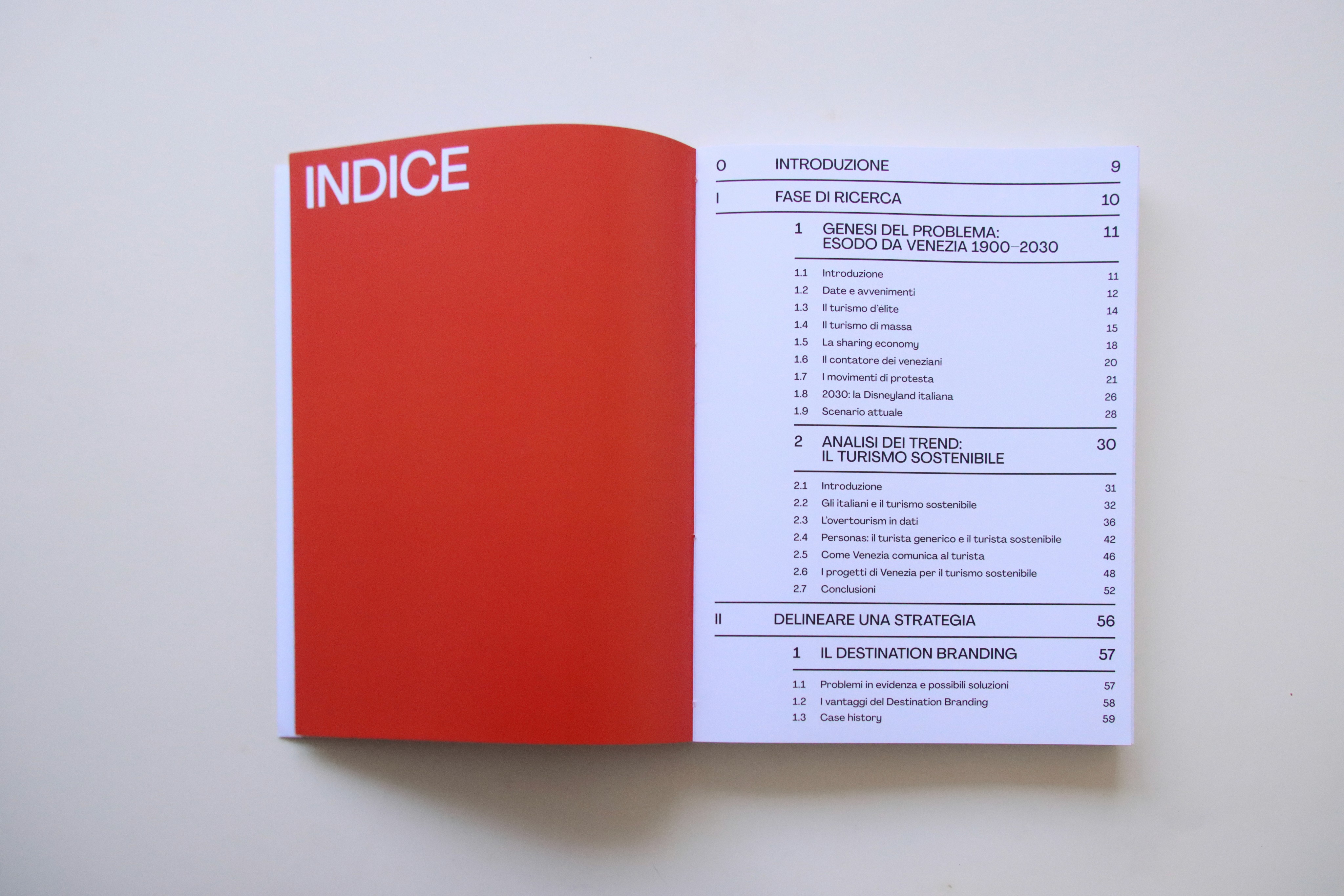
Through historical analysis, data research, interviews with residents, and case studies on sustainable tourism, the research highlights the progressive depopulation of the city and the loss of everyday Venetian life.
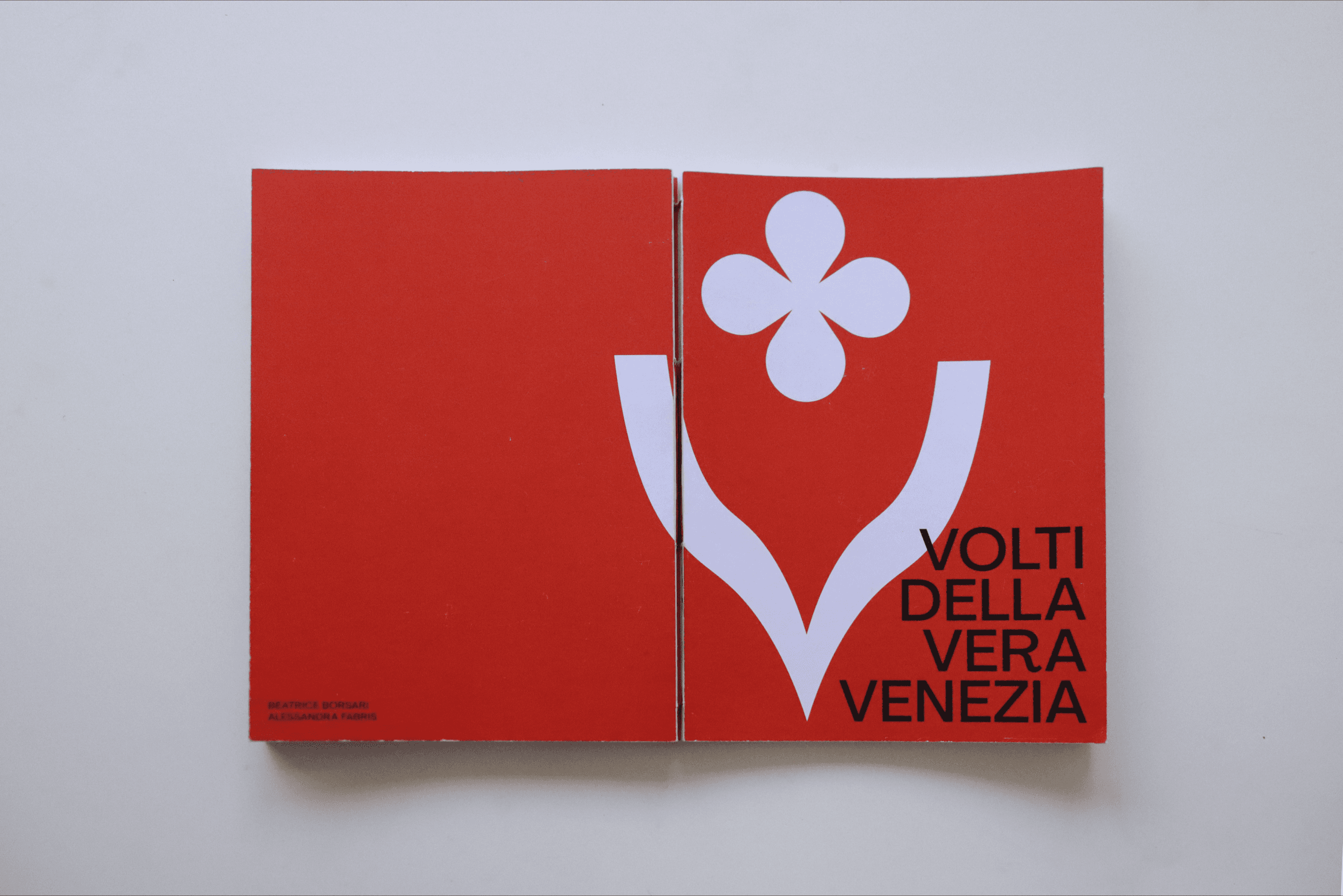
The concept “I Volti della Vera Venezia” (The Faces of the Real Venice) reframes the city through the perspective of its inhabitants, shifting the narrative from a consumable postcard image to a living, fragile ecosystem shaped by people, traditions, and daily rituals.
This project investigates the impact of overtourism on Venice and explores how destination branding can become a cultural and educational tool rather than a purely promotional one.
Through historical analysis, data research, interviews with residents, and case studies on sustainable tourism, the research highlights the progressive depopulation of the city and the loss of everyday Venetian life.
The concept “I Volti della Vera Venezia” (The Faces of the Real Venice) reframes the city through the perspective of its inhabitants, shifting the narrative from a consumable postcard image to a living, fragile ecosystem shaped by people, traditions, and daily rituals.
This project investigates the impact of overtourism on Venice and explores how destination branding can become a cultural and educational tool rather than a purely promotional one.
Through historical analysis, data research, interviews with residents, and case studies on sustainable tourism, the research highlights the progressive depopulation of the city and the loss of everyday Venetian life.
The concept “I Volti della Vera Venezia” (The Faces of the Real Venice) reframes the city through the perspective of its inhabitants, shifting the narrative from a consumable postcard image to a living, fragile ecosystem shaped by people, traditions, and daily rituals.
VISUAL BRAND IDENTITY
VISUAL BRAND IDENTITY
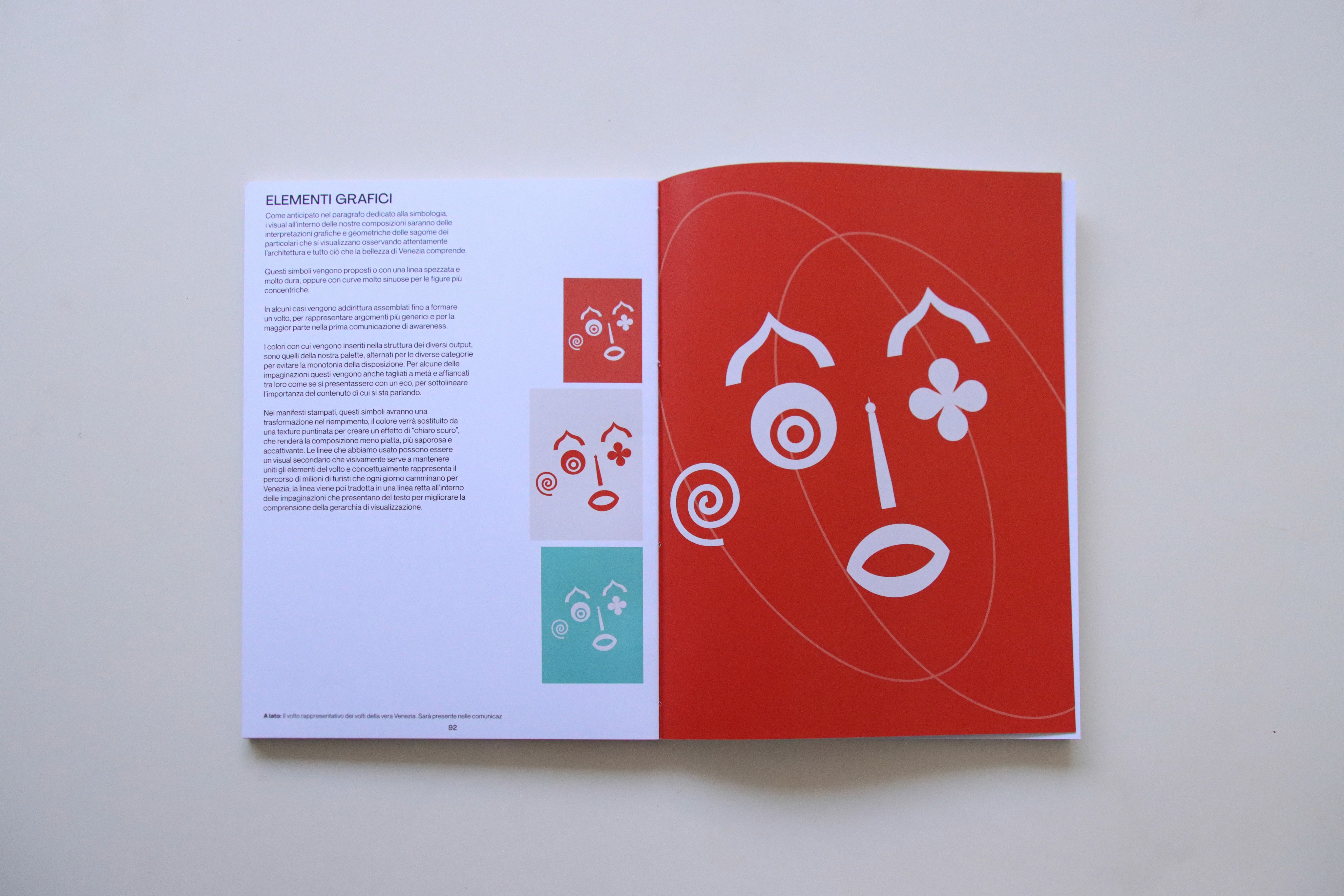
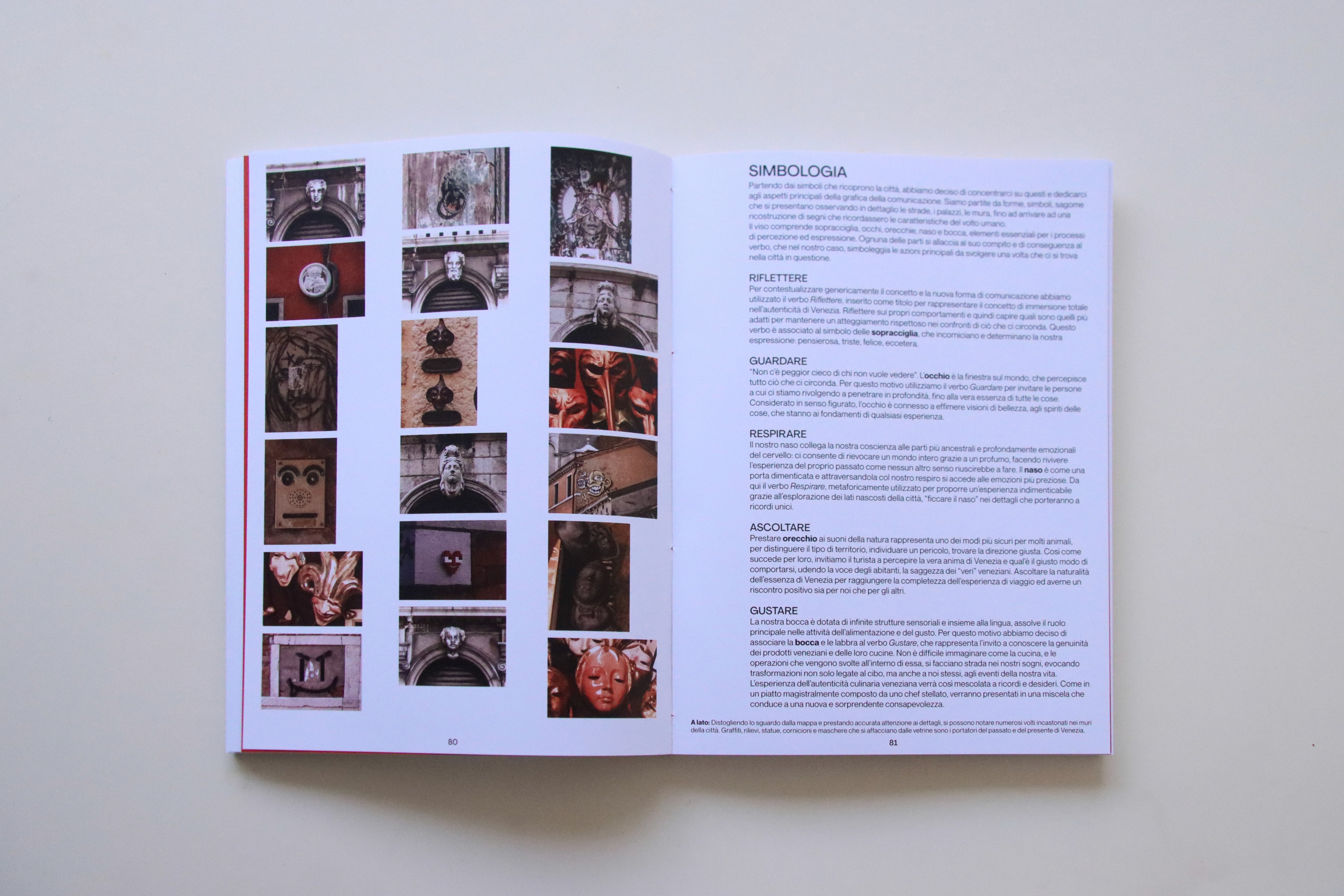
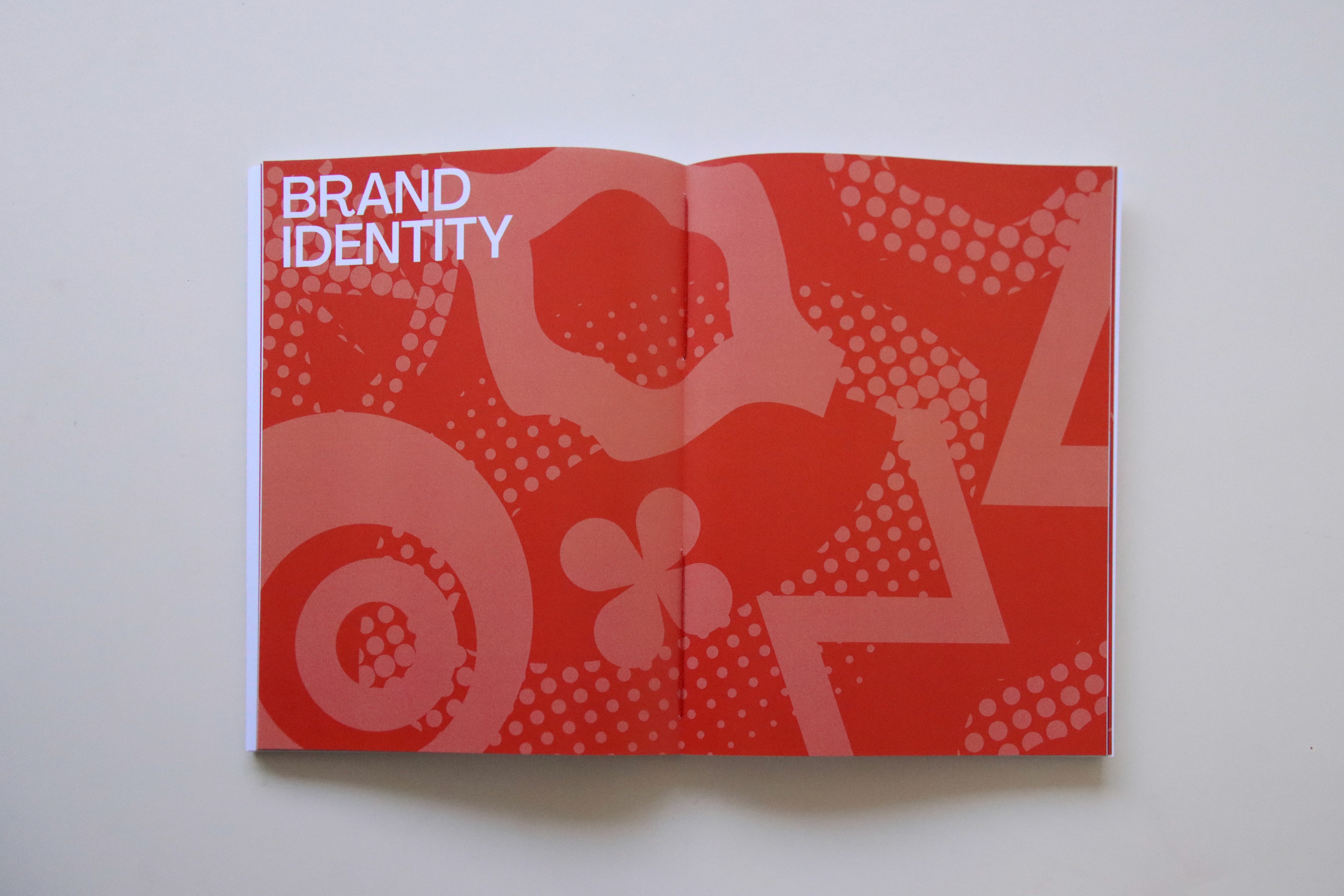
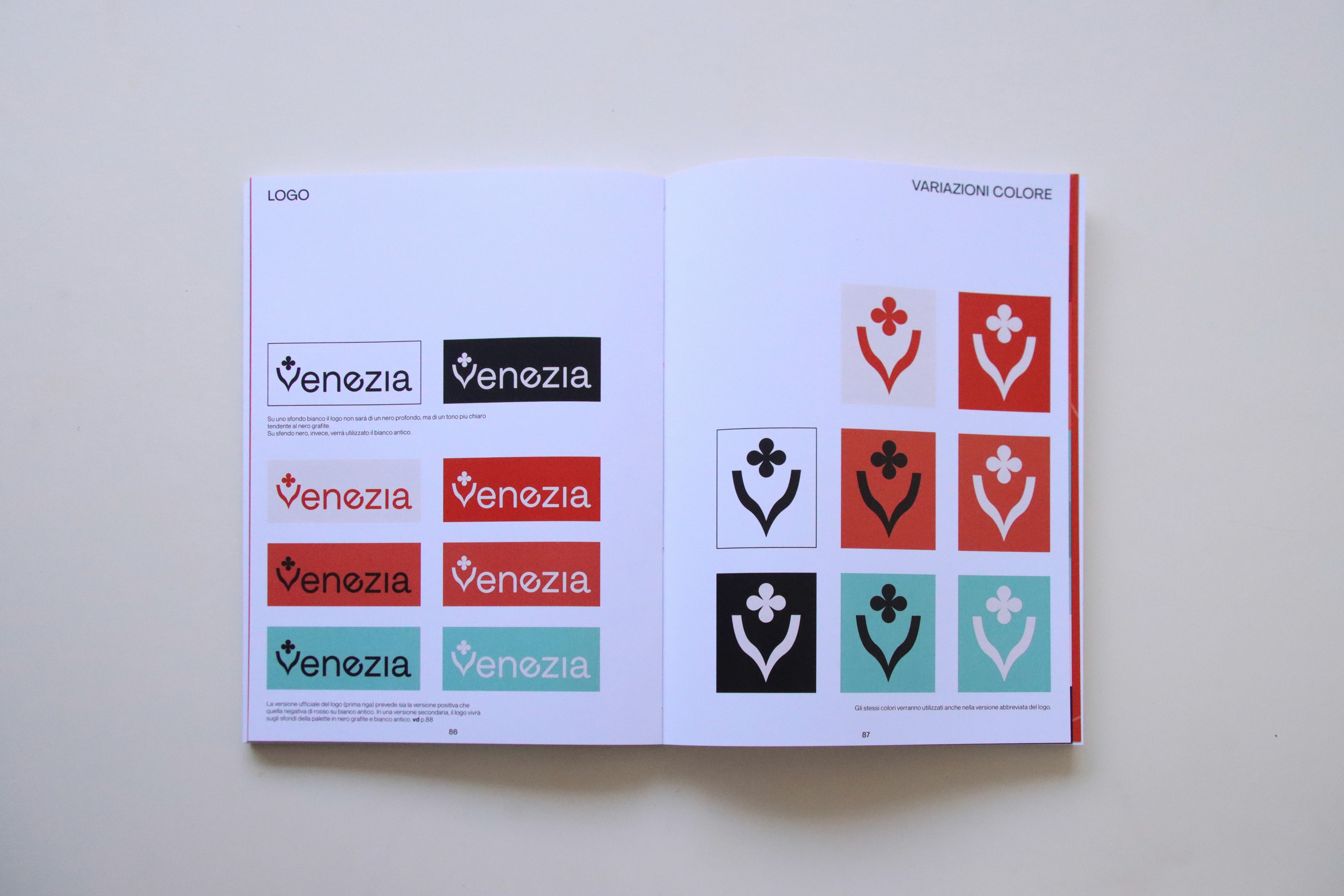
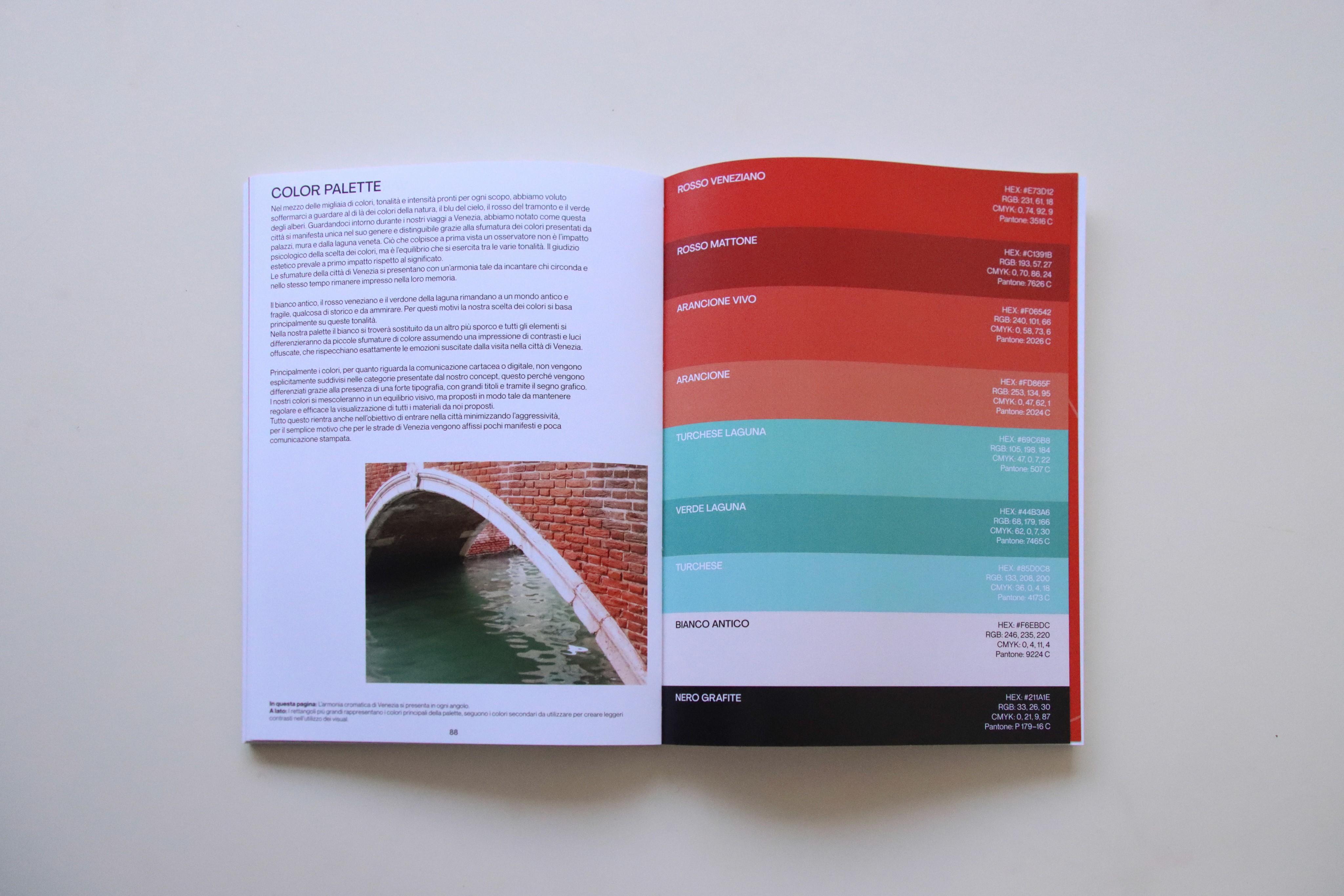
The brand identity is designed to express authenticity, humanity, and resistance to mass-tourism stereotypes. It deliberately moves away from romanticized and ornamental representations of Venice, adopting a raw and contemporary visual language.
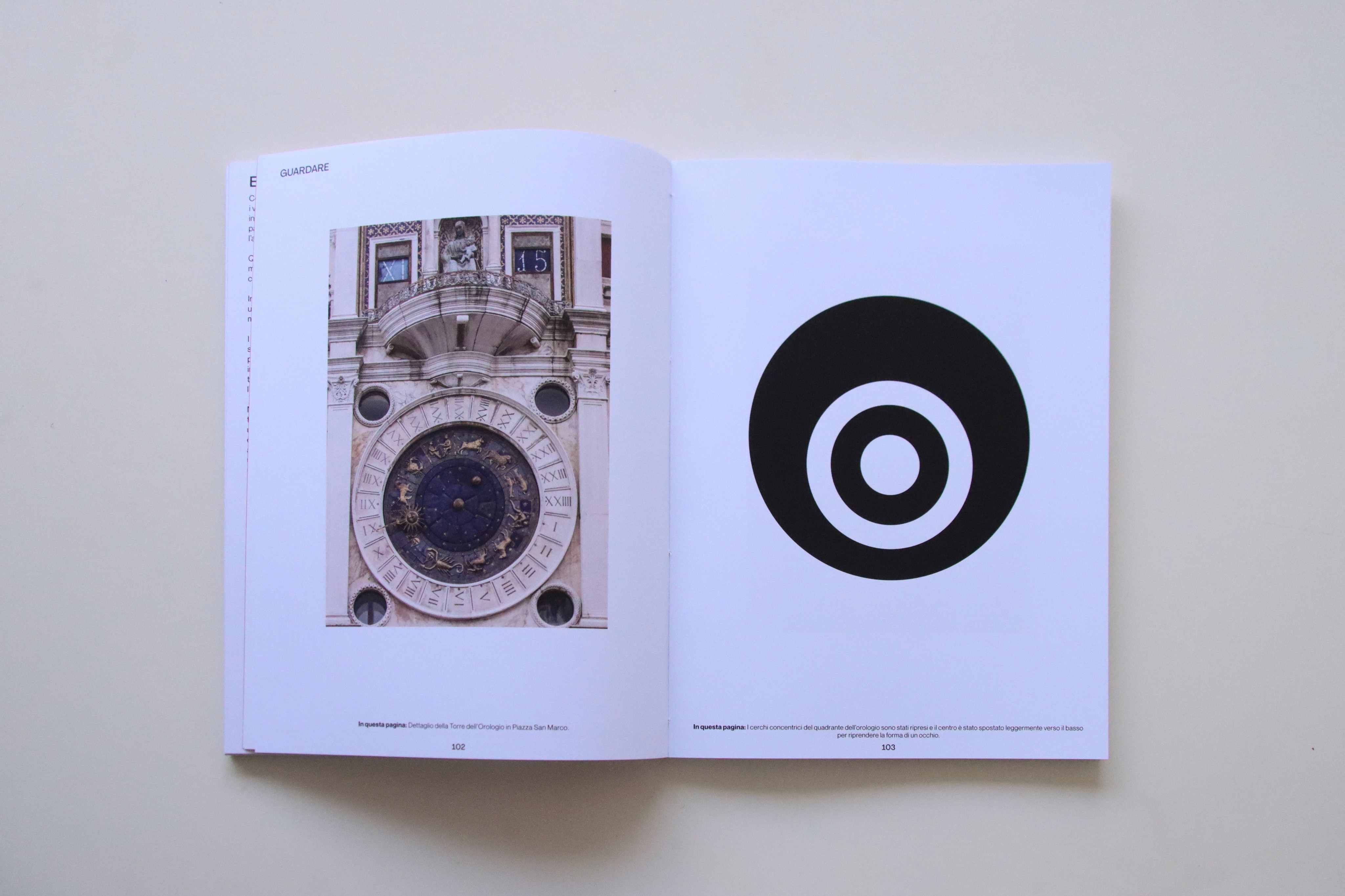
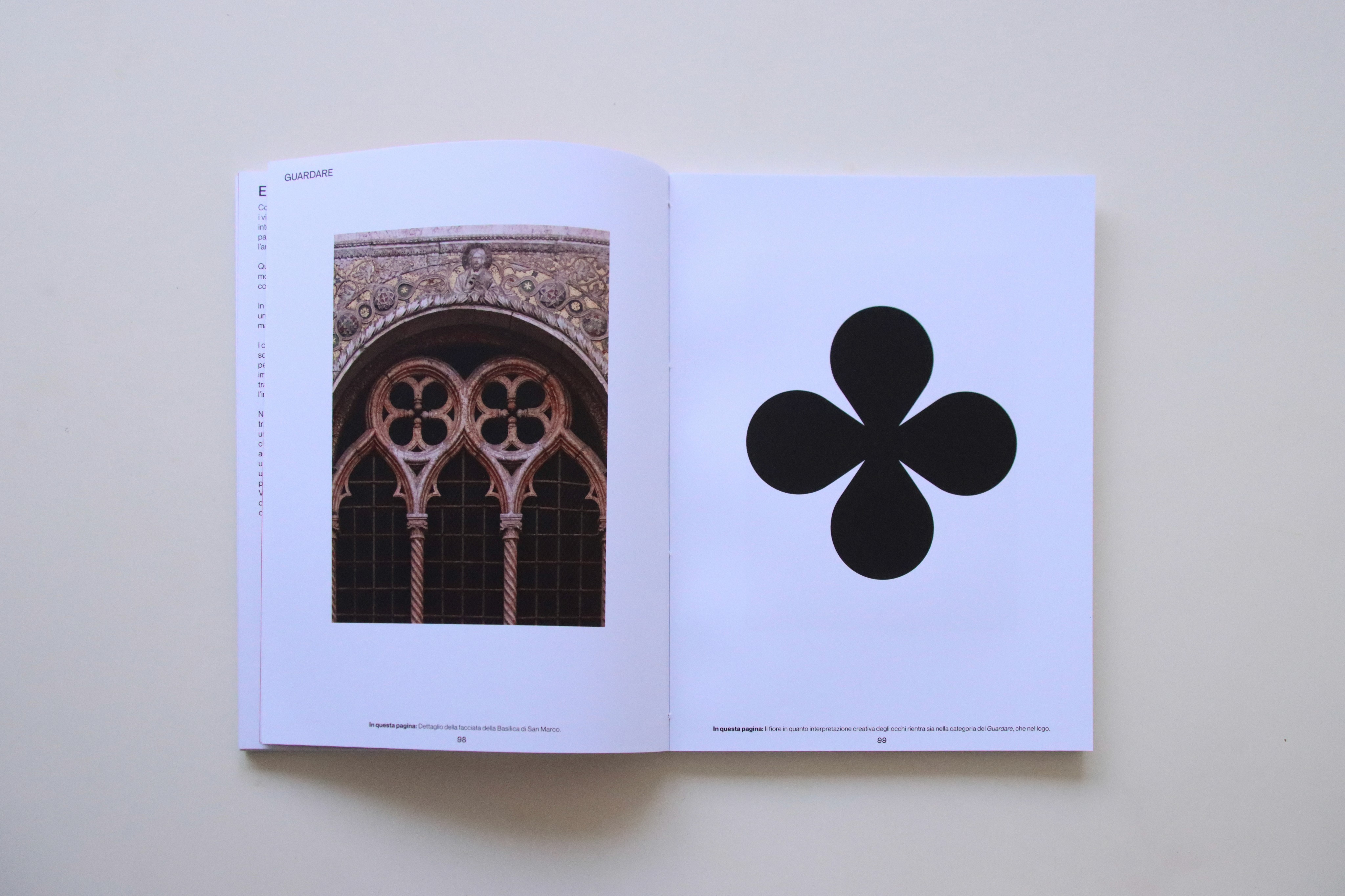
The core visual system is built around the concept of faces, composed from fragments of the city’s architecture—combining iconic historical elements with everyday, incidental details found in the urban landscape. This approach visually connects people and place, transforming architecture into human presence.
The brand identity is designed to express authenticity, humanity, and resistance to mass-tourism stereotypes. It deliberately moves away from romanticized and ornamental representations of Venice, adopting a raw and contemporary visual language.
The core visual system is built around the concept of faces, composed from fragments of the city’s architecture—combining iconic historical elements with everyday, incidental details found in the urban landscape. This approach visually connects people and place, transforming architecture into human presence.
Brand Assets & Touchpoints
Brand Assets & Touchpoints
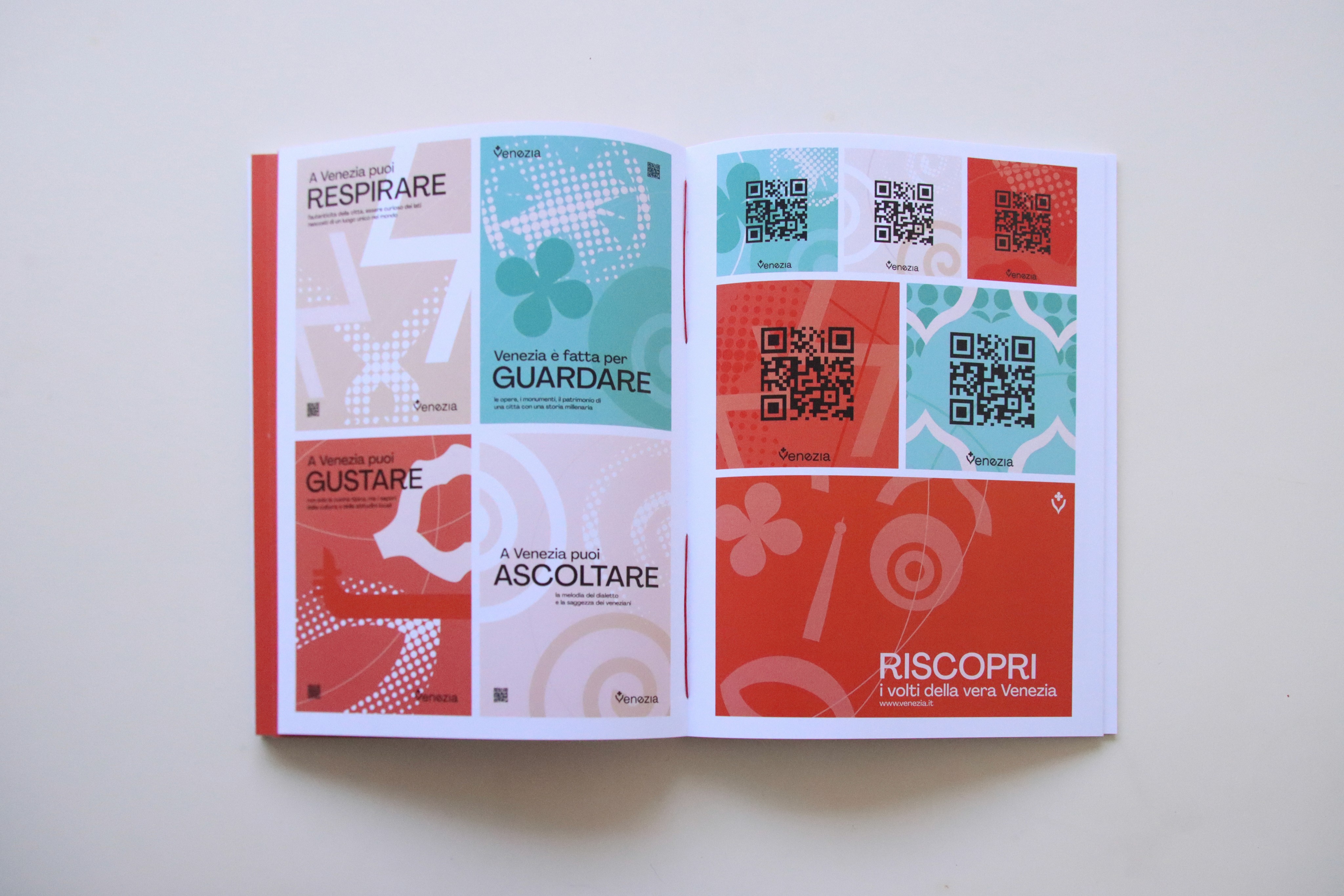
The brand assets are designed to redirect tourism away from overcrowded routes and toward the everyday reality of Venice. The system promotes a slower, more conscious form of tourism, encouraging visitors to explore local neighborhoods, support Venetian culture, and move beyond fast, surface-level consumption.
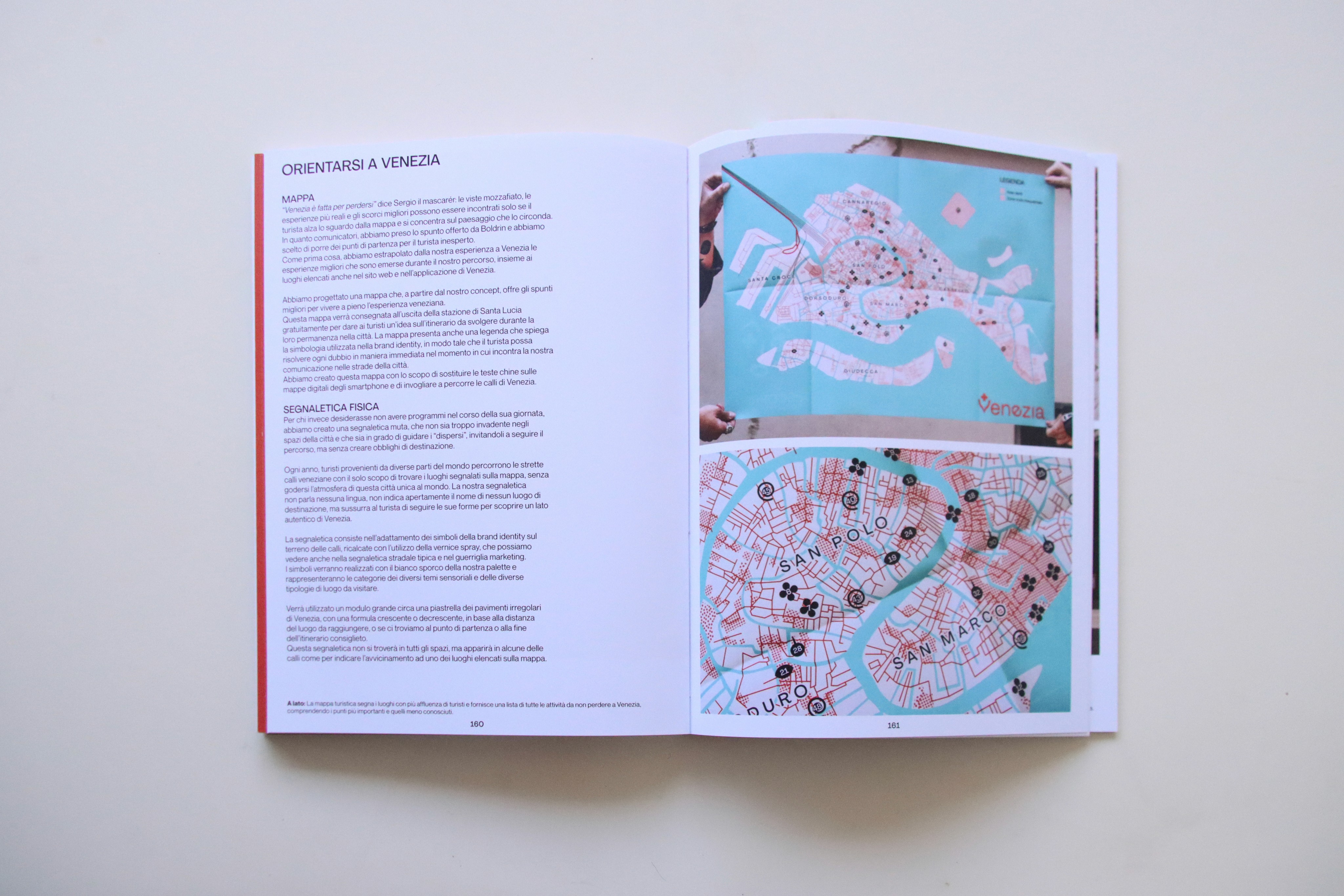
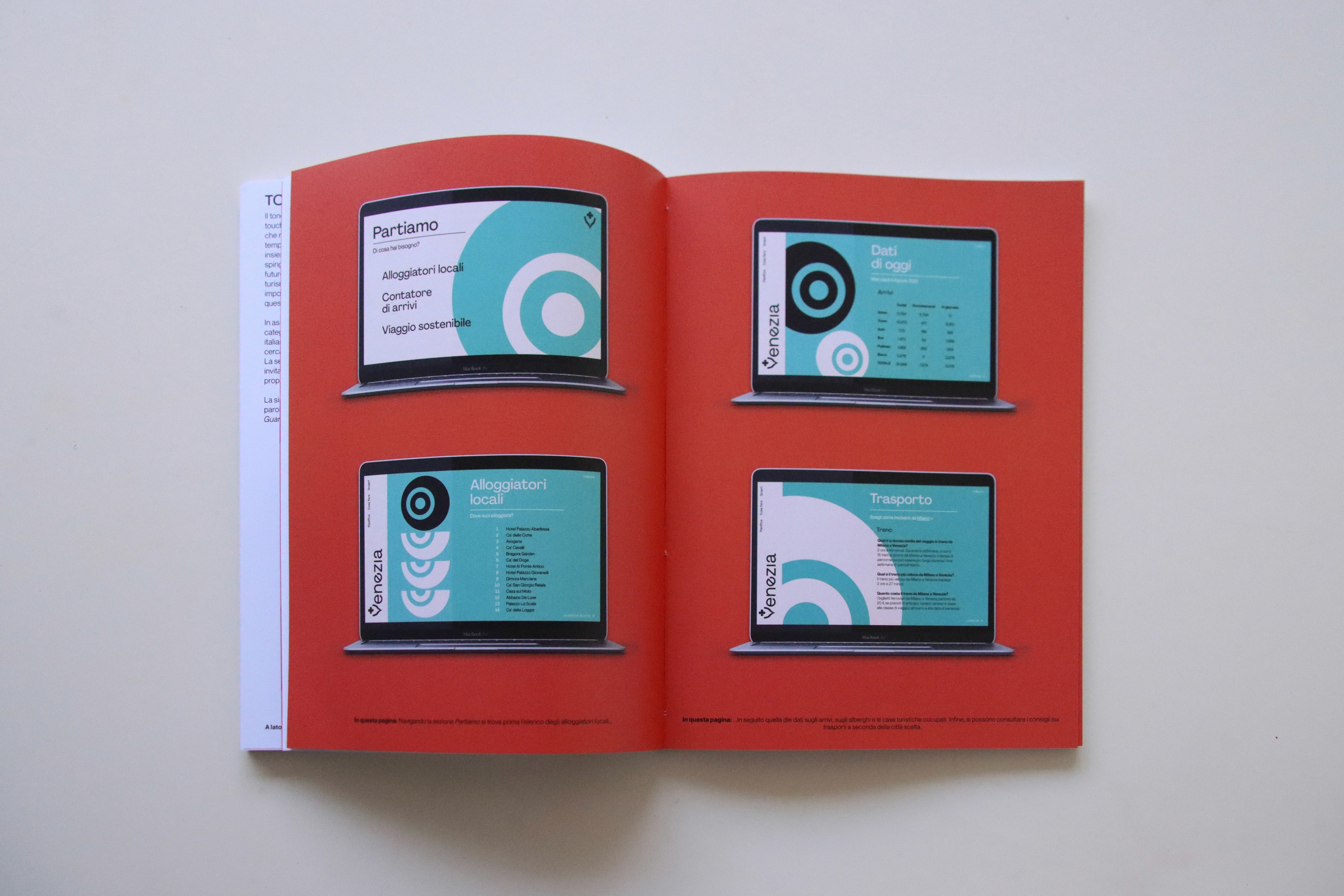
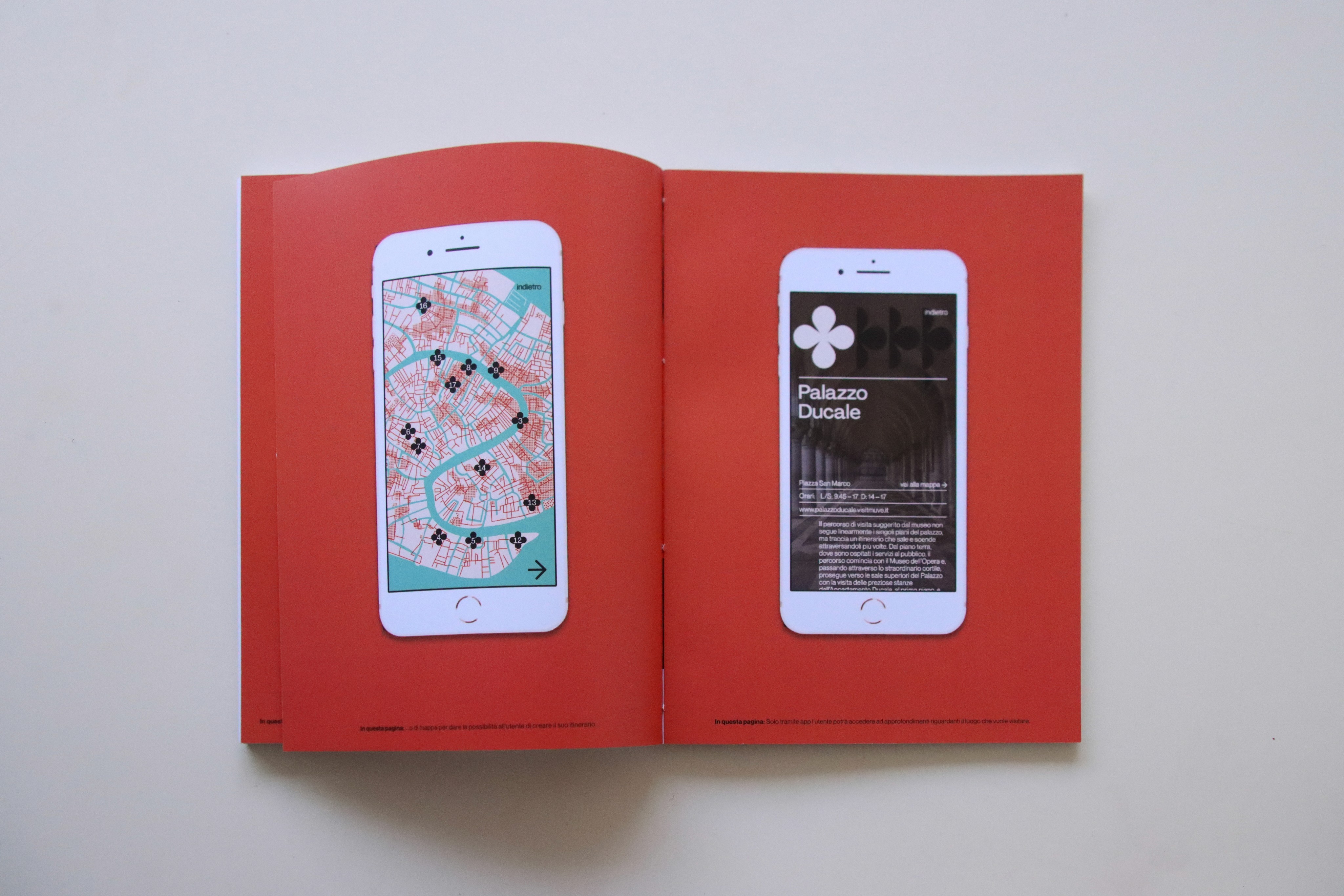
The project includes online communication tools such as web banners, a website/app using open-source data on airport, cruise, and train traffic as well as hotel stays in Venice, and an interactive online map highlighting local activities. Physical assets include an A1 printed map of local activities and a locally distributed magazine. On-site communication is supported through street posters placed within the urban context, guiding visitors toward alternative routes and experiences.
The brand assets are designed to redirect tourism away from overcrowded routes and toward the everyday reality of Venice. The system promotes a slower, more conscious form of tourism, encouraging visitors to explore local neighborhoods, support Venetian culture, and move beyond fast, surface-level consumption.
The project includes online communication tools such as web banners, a website/app using open-source data on airport, cruise, and train traffic as well as hotel stays in Venice, and an interactive online map highlighting local activities. Physical assets include an A1 printed map of local activities and a locally distributed magazine. On-site communication is supported through street posters placed within the urban context, guiding visitors toward alternative routes and experiences.
A DESTINATION BRANDING PROJECT THAT
AIMS TO FIGHT OVERTOURISM
I VOLTI DELLA
VERA VENEZIA
BACHELOR THESIS
VENICE, 2021
ABOUT THE PROJECT
A DESTINATION BRANDING PROJECT THAT AIMS TO FIGHT OVERTOURISM
I VOLTI
DELLA
VERA
VENEZIA
BACHELOR THESIS
VENICE, 2021
ABOUT THE PROJECT
AX ©2026
AX ©2026
©2026